By Mike Miller
October 15, 2026
Beneath pristine manicured lawns and solid concrete driveways lies a complex network of critical underground infrastructure. Homeowners give little consideration to the essential wastewater removal systems operating below their feet until complete catastrophic failure forces the hazardous issue to the surface. This hidden labyrinth routes wastewater to municipal treatment centers or private septic fields. Ignoring the condition of these underground channels leads to severe property damage, foul odors, and massive financial burdens. Routine monitoring remains essential.
Recognizing the delicate nature of underground sanitation networks helps property owners avoid disastrous scenarios. A proactive approach involves understanding fundamental mechanics and acknowledging organic and inorganic hazards threatening pipe integrity. When complex issues arise, contacting a professional plumbing company becomes necessary for proper diagnosis and long-term mitigation. Knowledge empowers individuals to make informed decisions regarding maintenance schedules and repair options, ensuring enduring functionality for these vital residential components.
Identifying the Warning Signs
Detecting underground blockages in the initial stages requires steadfast vigilance. Properties exhibit subtle indicators before complete system failure occurs. Slow drains across multiple fixtures represent initial symptoms pointing toward main line obstruction. When water pools in sinks and refuses to clear, the severe restriction originates within the primary lateral line and not within localized indoor plumbing fixtures. Addressing these sluggish drains prevents severe backups.
Unusual noises echoing from fixtures provide another crucial clue regarding main line health. Gurgling sounds emanating from toilets indicate trapped air pockets fighting against water flow. This phenomenon happens when blockages create vacuum effects, forcing air to escape through the path of least resistance. Recognizing these distinct auditory signals allows residents to seek intervention from a qualified plumbing company before raw sewage backs up into living spaces.
Odor detection serves as a primitive yet effective method for identifying wastewater containment breaches. Healthy pipes retain sewer gases and direct them through designated roof vents. When cracks develop or blockages force water seals to fail, foul smells permeate the structure or surrounding landscape. These noxious odors indicate compromised lines requiring immediate attention to avoid hazardous methane and hydrogen sulfide exposure.
Landscape anomalies offer distinct visual evidence of underground leaks. Unexplained patches of vibrant, lush grass growing amidst dormant lawns indicate localized sewage leaks acting as underground fertilizer. Sinkholes or persistent wet spots appearing in yards suggest structural pipe collapse and subsequent soil saturation. Identifying these exterior red flags helps homeowners address root causes before extensive excavation becomes mandatory for restoring the property landscape.
Understanding the Root Causes
Tree roots pose a formidable threat to underground infrastructure. Seeking moisture and nutrients, root systems grow toward condensation on pipe exteriors and infiltrate through microscopic joints or hairline fractures. Upon entering, the roots expand at a fast pace, creating dense organic webs that catch debris and restrict flow. This natural intrusion process represents a primary reason property owners must, in due time, consult a plumbing company for root clearing.
Improper disposal habits contribute to line deterioration and blockages in major ways. Kitchen sinks receive substantial amounts of cooking grease, fats, and oils. These substances enter the system as warm liquids but solidify into impenetrable masses upon cooling. This fat accumulation coats interior pipe walls, reducing the internal diameter and causing severe obstructions. Educating household members about proper waste disposal minimizes this preventable accumulation.
Bathroom disposal practices dictate the overall longevity of wastewater systems. Flushing non-biodegradable items such as paper towels, dental floss, and feminine hygiene products introduces snagging hazards into the channels. Products marketed as flushable fail to disintegrate at the required rate, forming massive clogs capable of halting all drainage. These synthetic materials entangle with existing obstructions, compounding the severity of the blockage.
Aging infrastructure remains an unavoidable factor in system degradation. Historic properties feature clay, cast iron, or Orangeburg pipes prone to unique forms of deterioration. Cast iron rusts and scales from the inside out, catching debris on rough interior surfaces. Clay cracks under soil pressure, while Orangeburg tubes compress and deform over decades of use. Recognizing the material limitations of older installations helps property owners anticipate necessary upgrades.
Exploring the Diagnostic Methods
Modern technology has revolutionized the way professionals inspect underground infrastructure. High-resolution waterproof cameras attached to flexible fiber-optic cables allow technicians to perform non-destructive visual assessments. These intricate devices navigate lateral lines, transmitting live video feeds to external monitors. This clear visual evidence removes guesswork from the diagnostic process, pinpointing the exact location and nature of any structural defects or foreign blockages hidden from view.
Hydrostatic pressure testing offers another reliable avenue for evaluating system integrity. This technique involves blocking the lower end of the lateral line and filling the channel with water. By monitoring the water level drop over a specific duration, technicians confirm the presence and severity of leaks. This method proves useful for detecting small fractures that remain invisible to camera inspections but allow wastewater contamination into the surrounding soil.
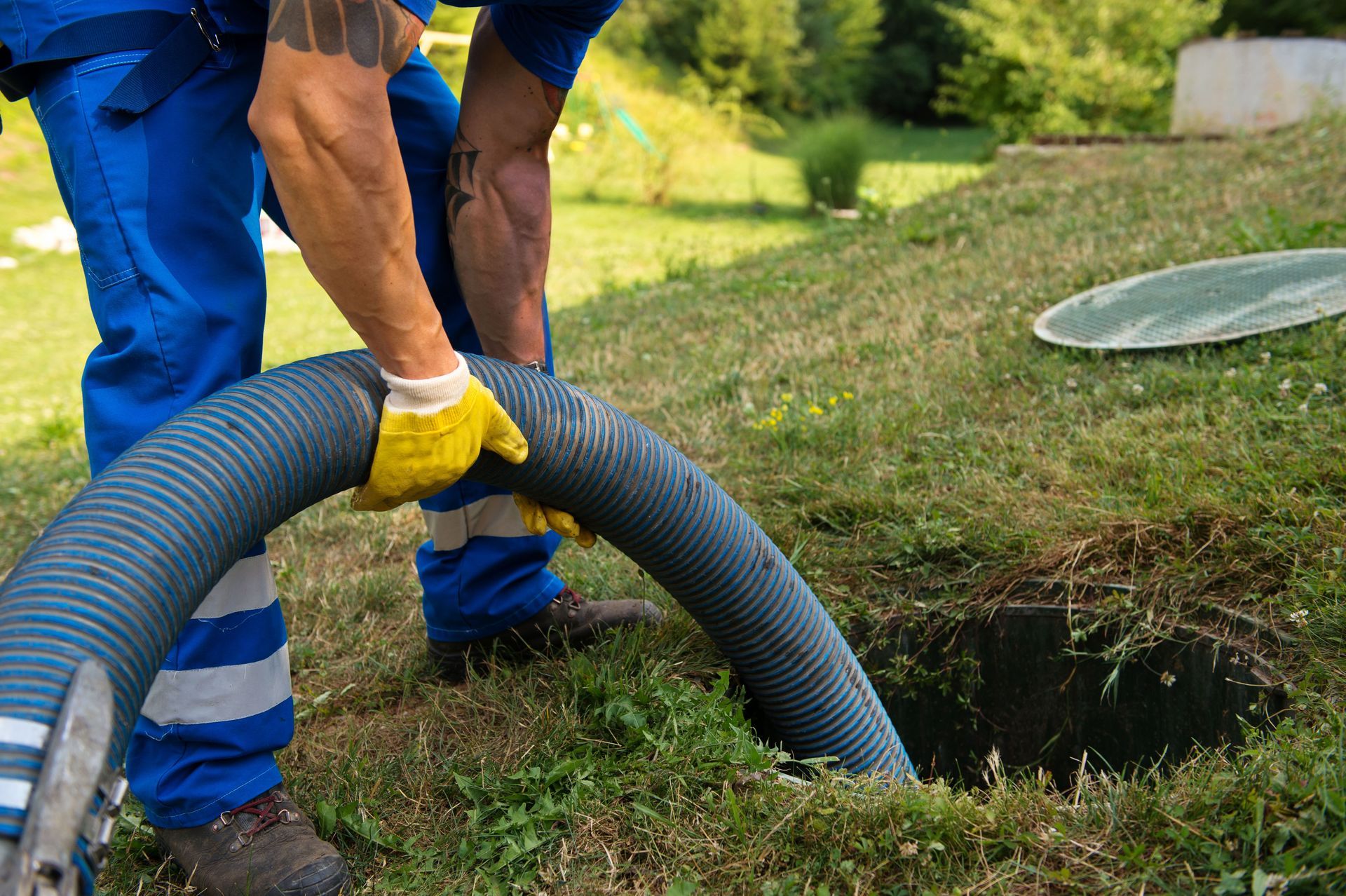
Depending on the specific layout and scale of the residential waste management system, diagnostic approaches shift toward external containment structures. Those living outside municipal service areas rely on private disposal fields and holding tanks. The scale of these systems is immense. According to This Old House, septic tanks typically can hold more than 1,000 gallons of waste. Monitoring these massive reservoirs requires careful measurement of sludge depth.
Accurate diagnosis relies on synthesizing data from multiple inspection techniques. A thorough plumbing company will combine video evidence with pressure readings to formulate a comprehensive repair strategy. Understanding the exact gradient and depth of the pipes dictates which remediation techniques remain feasible. Proper evaluation ensures that subsequent repairs address fundamental structural issues without mere symptom treatment of a failing wastewater network.
Implementing the Right Solutions
Hydro-jetting provides an effective solution for clearing extensive blockages without damaging pipe walls. This technique utilizes specialized nozzles to blast pressurized water through the channels, cutting through dense tree roots and pulverizing calcified grease deposits. High-velocity streams scour interior surfaces, restoring the original pipe diameter. This method surpasses traditional mechanical snaking by removing the entire obstruction without punching small holes through the center.
Trenchless repair technologies offer minimal disruption to landscaping and hardscaping during structural rehabilitation. Cured-in-place pipe lining involves inserting an epoxy-saturated felt tube into the damaged host pipe. Upon inflation and curing, this robust liner creates a seamless, durable interior layer preventing future root intrusion. Homeowners prefer this modern method over traditional excavation due to reduced restoration costs and faster project completion times.
Pipe bursting represents another trenchless alternative for situations requiring complete structural replacement. A conical bursting head shatters the existing degraded pipe while pulling a high-density polyethylene replacement tube into the void. This technique allows for system upgrades without digging continuous trenches across the property. When considering pipe bursting, consulting an experienced plumbing company ensures soil conditions can accommodate lateral displacement of old pipe fragments.
Traditional open-trench excavation remains necessary for certain catastrophic failures or severe gradient misalignments. When a pipe collapses or sinks to create severe bellies, trenchless methods fail to correct fundamental structural geometry. Excavation allows technicians to remove damaged sections and install proper bedding materials. Proper compaction and soil grading prevent future settling and maintain the correct slope for gravity-fed drainage to function.
The unseen network of pipes beneath a residence requires the same level of care as visible architectural elements. By partnering with a reliable plumbing company, residents ensure their sanitation systems operate without interruption year after year. Cultivating a fundamental understanding of these underground mechanics transforms reactive anxiety into proactive management. A healthy lateral line guarantees a sanitary environment and preserves the underlying structural integrity of the property itself. When it is time to inspect or repair your underground lines, let our team at Root Wrestler Sewer & Drain Cleaning serve as your dedicated plumbing company. We have the tools and experience to resolve any underground issue and restore your system to peak condition.